
Table of Contents
- Understanding Window Lock Types
- Child Safety Window Locks: Balancing Protection and Ventilation
- Sliding Window Track Locks: Installation and Maintenance
- Window Security Sensors and Advanced Hardware
- Sash Window Locks: Traditional and Modern Solutions
- Choosing the Right Window Lock: A Security Assessment Guide
- DIY Installation: Common Mistakes to Avoid
- Conclusion
Last Updated: July 10, 2026
Understanding Window Lock Types
A window lock is a mechanical or electronic device that secures a window sash or frame to prevent unauthorised opening and enhance home security. Window locks fall into distinct categories, each designed for specific window styles and security needs. Understanding these types is the first step toward protecting your property effectively.
Window locks vary significantly in design, installation method, and security level. Some prioritise child safety, allowing ventilation while preventing full opening. Others focus on burglary prevention with keyed mechanisms and heavy-duty construction. The window material, aluminium, vinyl, or timber, also influences which locks work best.
Sliding Window Locks and Lever Sliding Mechanisms
Sliding window locks are among the most common solutions for horizontal-gliding windows found throughout Australian homes. These locks feature a lever mechanism that engages with a catch or bolt on the opposite sash, preventing the window from sliding open. Quality versions use zinc diecast or stainless steel construction, resisting corrosion in Australia’s varied climate.
A quality lever sliding mechanism should require deliberate force to unlock. Many modern versions include a thumbscrew or wing screw adjustment, allowing you to tighten the locking bolt against the frame for added security. Installation typically involves drilling two screw holes into the window frame, a straightforward process most homeowners can complete in under 30 minutes.
When installing a sliding window lock, ensure the locking bolt aligns perfectly with the catch. Misalignment forces the lever to work harder and wears out the mechanism faster. Light machine oil or silicone spray keeps the action smooth without attracting dust.
Common mistakes include installing the lock too high or too low on the sash, which creates binding and reduces effectiveness. Over-tightening the thumbscrew can crack vinyl frames or strip the internal mechanism.
Sash Locks and Double-Hung Window Hardware
Sash locks are purpose-built for double-hung windows, where two sashes slide vertically past each other. A sash lock clamps both sashes together at the meeting rail, the point where they overlap when closed, preventing either sash from moving independently. This design is particularly effective because it addresses the window’s natural weak point.
Traditional sash locks use a cam or bolt mechanism operated by a handle or key. When engaged, they pull the two sashes tightly together, creating a unified frame that’s much harder to force open. Quality sash locks are made from brass or zinc diecast materials that withstand coastal salt air and temperature extremes.
Installation requires positioning the lock at the meeting rail and drilling through both sashes to secure it. Most sash locks come with a template to guide hole placement, reducing misalignment risk.
Never force a sash lock closed if the sashes don’t meet evenly. Warped timber or misaligned frames will cause the lock to jam. Address frame issues first, often a simple matter of adjusting hinges or applying lubricant to sticky sashes.
Keyed Locks and Tamper-Resistant Options
Keyed window locks provide the highest level of security by requiring a key to open, making opportunistic break-ins significantly more difficult. This makes them the preferred choice for ground-floor windows, windows near downpipes or ledges, and any opening that could provide easy access to your home.
Tamper-resistant hardware uses hardened steel components, anti-pick mechanisms, and reinforced screw holes that resist tampering. These locks are often found in commercial installations and high-security residential applications. When selecting a keyed window lock, look for models where the key cannot be left in the lock, preventing someone from locking the window from outside and trapping occupants inside.
Child Safety Window Locks: Balancing Protection and Ventilation
Child safety window locks allow windows to open only 7-10 centimetres, enough for fresh air without letting young children accidentally fall through. The challenge is finding the right balance between safety and ventilation.
Many Australian families use a combination approach: child safety locks on upper-storey windows where the fall risk is highest, and keyed locks on ground-floor windows where burglary is the primary concern. Most child safety locks work by limiting the travel of the sash lift or sliding mechanism. The best designs allow quick emergency release without tools.
Installation is typically simple, a matter of positioning the lock hardware and drilling 2-3 screw holes. Ground-floor windows are better served by keyed locks or tamper-resistant hardware. Upper windows benefit most from child safety locks that prevent accidental falls.
Sliding Window Track Locks: Installation and Maintenance
Sliding window track locks operate by physically obstructing the track, preventing the sash from sliding past a certain point. They’re particularly useful for windows where you want to allow some opening but prevent full access. Track-mounted versions are slightly more secure because they’re harder to access from outside.
Installation Basics for Track Locks
Installing a sliding window track lock begins with measuring the exact position where you want to restrict opening. Mark this point clearly on both the track and the sash, then drill pilot holes according to the lock manufacturer’s template. Use screws appropriate to your window material: stainless steel for aluminium frames, galvanised steel for timber.
The key to successful installation is ensuring the lock engages smoothly without binding. Test the mechanism several times before tightening all screws fully. For aluminium windows, use a drill bit specifically designed for metal to prevent cracking the frame. Vinyl windows require pre-drilling with a smaller bit first to prevent the plastic from splitting.
Maintenance and Lubrication Tips
Window track locks require minimal maintenance, but regular attention extends their lifespan significantly. Every three months, apply a light machine oil or silicone-based lubricant to the moving parts and track. Wipe away excess lubricant with a dry cloth to prevent dust accumulation.
In coastal environments, salt air accelerates corrosion of metal components. Inspect locks quarterly for signs of rust or discolouration. Clean the window track regularly, removing dirt and debris that can jam the lock. Avoid harsh chemicals or high-pressure water, which can force contaminants deeper into the track.
The most common cause of window lock failure is lack of lubrication combined with dirt accumulation in the track. Spend five minutes every quarter on maintenance, and your locks will work reliably for a decade or more.
Window Security Sensors and Advanced Hardware
Modern window security solutions include electronic sensors and alarms that alert you when a window opens unexpectedly. A window security sensor typically includes a magnetic contact switch mounted on the frame and sash. When the window opens, the magnet separates from the switch, triggering an alarm or sending a notification to your phone.
Advanced hardware combines mechanical locking with electronic monitoring. Some systems integrate with smart home platforms, allowing you to monitor and control window locks remotely. Security sensors work alongside existing locks: a keyed window lock prevents casual entry, while a sensor alerts you to any attempt at forced entry.
Installation of window security sensors is straightforward, most use adhesive backing or simple screw mounting. Battery-powered sensors are wireless and don’t require electrical installation.
Sash Window Locks: Traditional and Modern Solutions
Sash windows are iconic in Australian heritage homes, but they present unique security challenges. Traditional sash windows often use simple friction or weight-based systems with minimal locking capability. Modern sash window locks retrofit onto existing windows without requiring major modifications, making them ideal for heritage properties.
Contemporary sash locks maintain the aesthetic of period windows while providing modern security. Many are available in heritage finishes, polished brass, antique iron, or satin nickel, that complement original window styles. For older sash windows that have settled or warped over decades, a professional assessment from a window specialist is worthwhile.
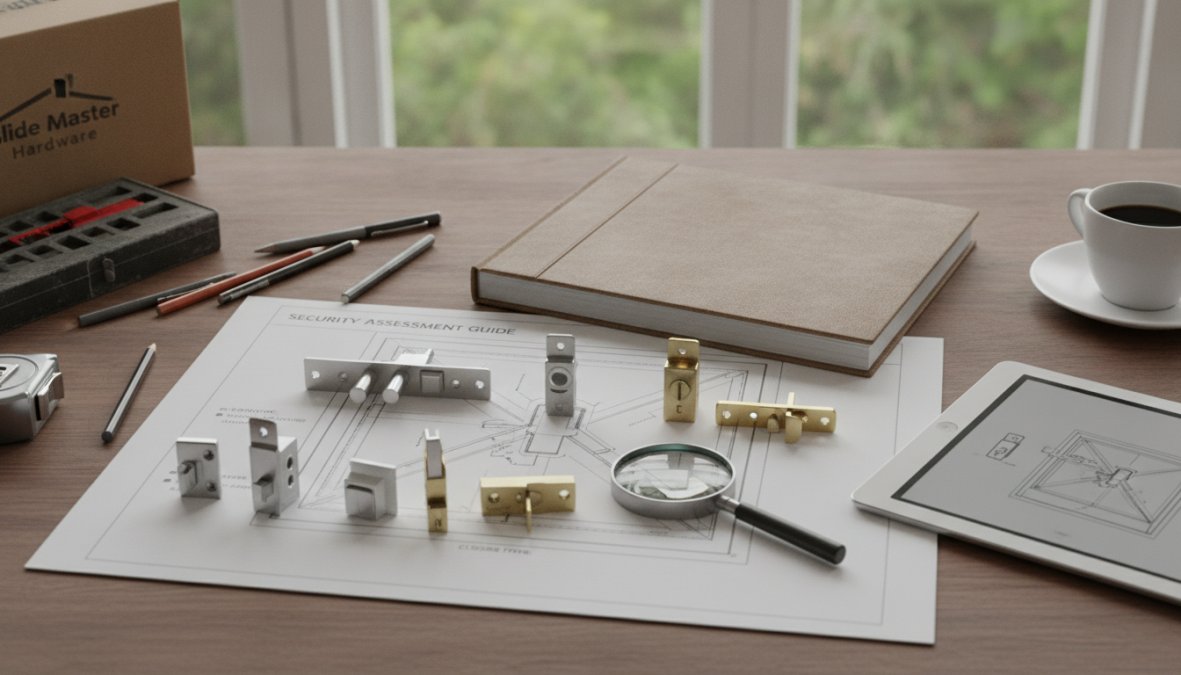
Choosing the Right Window Lock: A Security Assessment Guide
Selecting the right window lock requires understanding your specific security needs, window type, and the vulnerabilities of your property.
Assessing Your Window Frame and Material
The material of your window frame significantly influences which locks are compatible and how they perform. Aluminium windows are extremely common in Australian homes. They’re durable and accept most lock types, but aluminium can be damaged by drilling if you use the wrong technique. Always use metal-specific drill bits and go slowly.
Vinyl windows are popular in newer homes because they’re energy-efficient and affordable. The material is softer than aluminium, so you must be careful not to over-tighten screws or drill too aggressively. Vinyl can crack if subjected to excessive force.
Timber windows, common in heritage homes, are easy to work with, but can split, warp, and rot over time. Inspect timber frames carefully before installing locks. Soft or rotting timber cannot reliably hold lock hardware.
Identify your window type first. If unsure, take a photo and consult an expert before purchasing hardware.
Evaluating Security Needs vs. Childproofing Requirements
Different windows face different risks. A ground-floor window in a quiet suburban street faces different threats than a ground-floor window near a downpipe or ledge that could assist a burglar.
For ground-floor windows and windows near potential entry aids, prioritise keyed locks or tamper-resistant hardware. For upper-storey windows, the primary risk is accidental falls rather than burglary. Child safety locks that allow limited opening are ideal. Windows in bedrooms present a special case: you want emergency egress capability in case of fire, but also security and child safety. A keyed lock that can be quickly unlocked from inside provides the best balance.
| Window Location | Primary Risk | Recommended Lock Type | Key Features |
|---|---|---|---|
| Ground floor, visible from street | Burglary | Keyed or tamper-resistant | Hardened steel, anti-pick mechanism |
| Upper storey, bedroom | Accidental fall | Child safety with emergency release | Limited opening, quick override |
| Upper storey, non-bedroom | Burglary | Standard keyed lock | Reliable mechanism, corrosion-resistant |
| Bathroom or laundry | Privacy and child safety | Combination lock | Allows ventilation, prevents entry |
DIY Installation: Common Mistakes to Avoid
Installing window locks yourself is entirely feasible for most homeowners, but mistakes can compromise security or damage your windows. The most frequent mistake is drilling pilot holes that are too large or in the wrong position. Use a drill bit one size smaller than your screw diameter.
Another common error is installing the lock at the wrong height or position on the sash, which creates binding. Before drilling any holes, test the position by holding the lock in place and operating it through its full range.
Over-tightening screws causes real damage. Screws should be snug but not forced. Hand-tightening with a screwdriver is often sufficient. Many DIY installers also forget to test the lock thoroughly before declaring the job complete. Operate the lock 20-30 times in both directions. It should move smoothly every time without sticking or requiring excessive force.
Never install a lock on a window that’s already damaged, warped, or misaligned. Have the window repaired or replaced first.
Finally, apply lubricant after installation. A light coat of machine oil or silicone lubricant on the moving parts ensures smooth operation and prevents corrosion.
Protecting your home starts with securing every potential entry point, and windows are often overlooked in favour of doors and locks. The right window lock prevents break-ins, keeps children safe, and provides peace of mind that your home is secure. With expert guidance available and fast shipping, selecting and installing the right window security hardware is straightforward. Ensure every window in your home is properly secured.
Frequently Asked Questions
What is the most secure type of window lock for residential homes?
Keyed window locks offer the highest security level for residential properties because they require a key to open, preventing unauthorised access. Tamper-resistant hardware with heavy-duty zinc diecast construction provides additional durability. For maximum security, combine a keyed lock with a security latch on the window frame. The specific choice depends on your window type, sliding windows benefit from lever sliding locks, whilst double-hung windows work well with sash locks featuring robust locking mechanisms.
How do child safety window locks differ from burglary prevention locks?
Child safety window locks are designed to restrict window opening to a small gap, allowing ventilation whilst preventing children from falling. They typically use thumbscrews or wing screws for quick adjustment. Burglary prevention locks, conversely, focus on preventing forced entry and unauthorised access through keyed mechanisms and heavy-duty construction. Many homeowners use both: a child safety lock for daily use and a keyed lock for overnight security. Your choice depends on your household's primary concern and window type.
Can I install window locks myself, or do I need a professional?
Most window locks are designed for DIY installation and require only basic tools like a screwdriver. The process typically involves identifying the correct screw holes on your window frame, aligning the locking mechanism, and securing it with screws. However, ensure you select the correct lock type for your window, vinyl windows, aluminium windows, and wood windows have different hardware requirements. If unsure about your window material or lock type, expert identification via photo submission can help you avoid ordering incorrect replacement parts.
How often should I maintain and lubricate my window locks?
Window locks should be inspected and lubricated at least twice yearly, ideally before winter and summer seasons. Use a silicone-based lubricant on all moving parts, including lever sliding mechanisms and sash lift hardware, to ensure smooth operation and prevent rust. Avoid oil-based lubricants as they attract dust. Regular maintenance extends the lifespan of your locking hardware, prevents jamming, and maintains security effectiveness. If you notice stiffness or difficulty operating your window lock, lubrication often resolves the issue without requiring replacement parts.
This article was written using GrandRanker